Most beginners don't quit chess because the game is too hard. They quit because they don't know what to do next. They watch a few videos, play a dozen games, lose most of them, and then open the app the next day with no plan. That's not a talent problem. That's a structure problem. The LIST is the structure I wish I'd had when I started. It's a short, repeatable list of daily tasks — things you can do in twenty or thirty minutes a day, using only free tools on Lichess. Just a simple routine that builds the habits that actually move a beginner forward. You don't have to do everything on this list every day. You don't have to do it perfectly. You just have to do it consistently. Pick two or three tasks for today, do them slowly, and come back tomorrow. Let's start with the list!

The list of your daily tasks
For a beginner, it’s not about doing everything you can.
It is about doing what you have to do.
Everything beginner and intermediate chess players need, all in one LIST. Just tackle them at your own pace

Study plans
Consistency is more important than intense infrequent hard works. Doing your business the consistent way you create positive habits and welcome gradual learning.
Check out the sample plans and choose yours

Tap the QR code to open the topic instantly on Lichess.org—save time and dive deeper without typing!
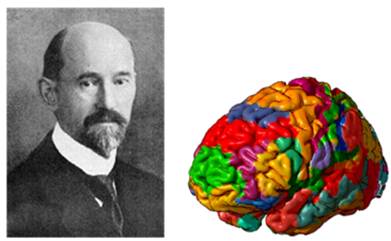
Brodmann areas introduced
German neuropsychiatrist Korbinian Brodmann (1868–1918) revolutionized brain science by mapping the cerebral cortex. Based on his cytoarchitectonic (histological) research, he divided the cortex into 52 distinct regions, forever known as Brodmann areas.
When you learn chess, you aren’t just picking up another board game—you are completely re-engineering your brain. Treating your games as a serious research project unlocks a massive loop of cognitive benefits. You establish a brutal, high-speed feedback loop that sparks new synaptic connections and hardwires existing ones. Chess forces you to build elite focus, deep endurance, and razor-sharp strategic planning. It teaches you the raw weight of responsibility and completely cures you of relying on mere luck. Ultimately, playing chess forces your brain to operate with absolute neural efficiency, fundamentally rewriting and strengthening your entire cognitive network.
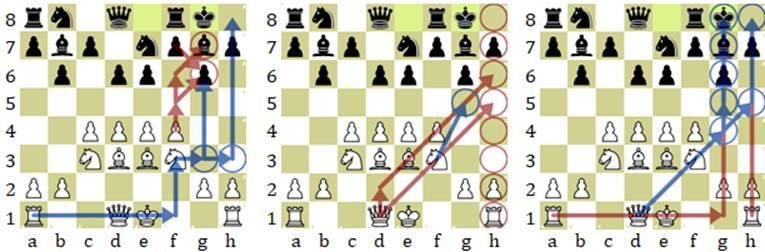
Full-color diagrams with computer-suggested moves and strategies explained. This is where your Visualization skills truly develop!
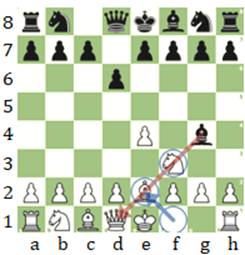
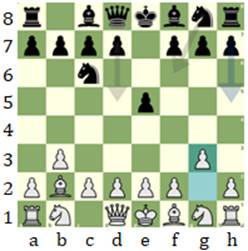
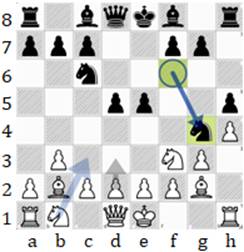
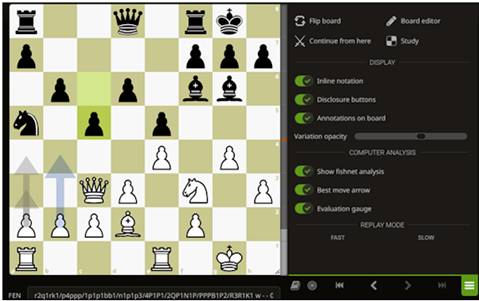
Settings and tools explained
Visualization workout
Deep-dive sessions to build your deep calculation base on the board